Import Duties from China to Australia: Rates and Landed Cost Guide 2025
China-Australia Import Duties: What Changed in 2025
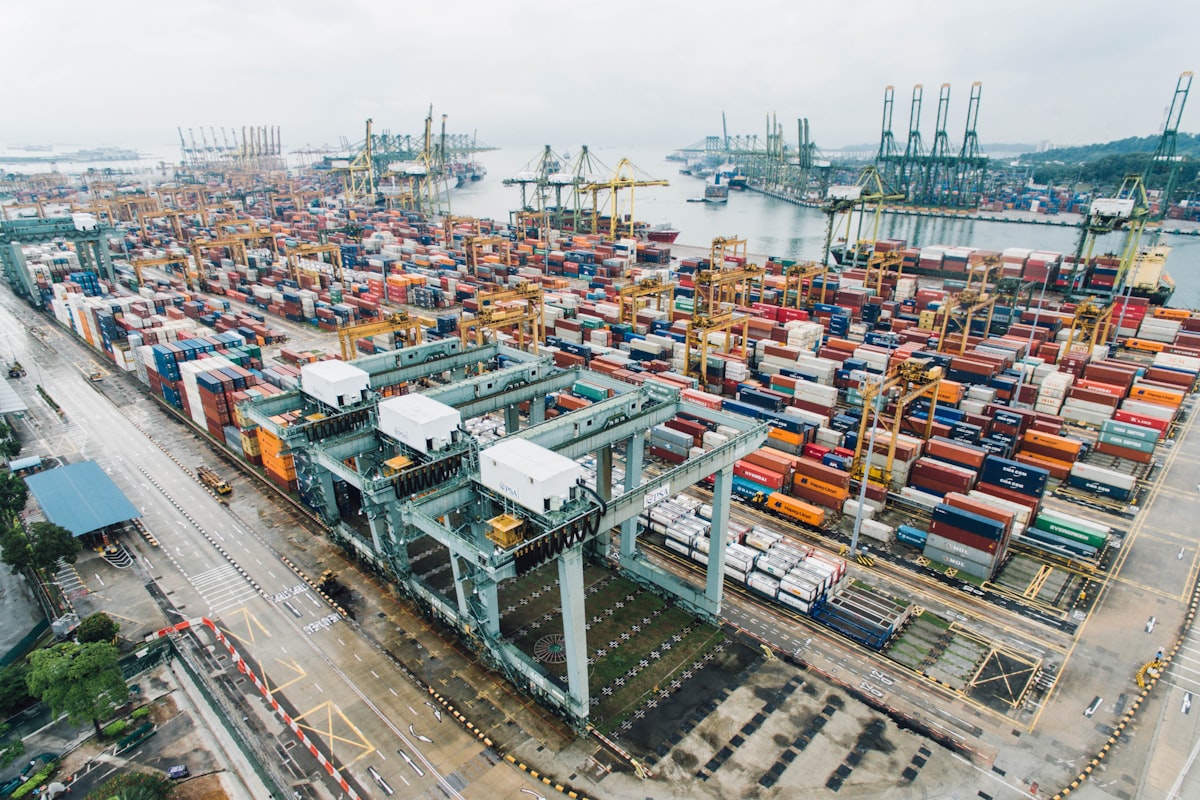
The trade relationship between China and Australia has undergone major shifts. After China imposed tariffs on Australian goods (barley, wine, beef, coal) in 2020-2021, many were removed in 2023-2024. For Australian importers buying from China, the duty situation is more stable, but some changes took effect in 2025 that you should know about.
I've been helping an Australian retailer import home goods from China since 2021, and the tariff landscape has been a rollercoaster. In 2023, when China lifted the wine tariffs, my friend's business partner actually switched from importing Australian wine to China to importing Chinese furniture to Australia because the rates became more favorable. The China-Australia Free Trade Agreement (ChAFTA) is still in effect, which means most Chinese manufactured goods enter Australia at 0-5% duty. But there are some exceptions I'll get into below. What most Australian importers don't realize is that the real cost isn't the duty — it's the GST and handling fees at the Australian border.
Australian Import Duty Rates on Chinese Goods
Under ChAFTA, most Chinese manufactured goods enter Australia duty-free or at reduced rates. Here's the current picture for common import categories.
The ChAFTA tariff elimination schedule was mostly completed by 2024-2025. The last items to phase out are textiles and footwear, which will reach 0% by 2028. Apparel from China still faces 3-4% duty in 2025, down from 17.5% before the agreement. That's a significant savings. The real tax bite in Australia is the 10% GST, applied to the total value of the goods including freight and insurance. Plus customs broker fees ($75-150 AUD), port handling ($150-400 AUD), and quarantine inspection fees ($150-400 AUD) if your shipment gets pulled by biosecurity. Australia's biosecurity is no joke — I've seen shipments delayed 7-14 days for a single undeclared wooden pallet or plant material in packaging.
Average Import Duty Rates by Route
* Average rates shown. Actual duty rates vary by product HS code and trade agreements.
| Product Category | Standard MFN Rate | ChAFTA Rate (2025) | GST | Notes |
|---|---|---|---|---|
| Furniture | 5% | 0% | 10% | Duty-free under ChAFTA since 2022 |
| Electronics | 0-5% | 0% | 10% | Most electronics duty-free |
| Machinery | 0-5% | 0% | 10% | Duty eliminated under ChAFTA |
| Textiles and apparel | 10-17.5% | 0-4% | 10% | Phase-out ongoing, depends on specific HS |
| Toys and games | 0-5% | 0% | 10% | Mostly duty-free |
| Footwear | 5-10% | 0-3% | 10% | Phased reductions continue to 2028 |
| Chemicals | 0-5% | 0% | 10% | Duty-free for most |
| Food products | 0-10% | 0-5% | 10% | Some agricultural goods still have tariffs |
Shipping Costs from China to Australia
The China-Australia shipping route is one of the busiest in the world. Here's what you'll pay in 2025.
The Shenzhen to Sydney route is usually the fastest and cheapest, thanks to the volume of electronics and consumer goods leaving Shenzhen's factories daily. The East Coast ports (Sydney, Melbourne, Brisbane) handle the majority of Chinese imports. Perth-bound containers either go direct (less frequent sailings) or transship through Singapore or Fremantle, adding 3-5 days. Air freight from China to Australia runs $3.50-5.50/kg with 3-5 day transit. I recommend planning for at least one extra day of potential delay at Australian ports. The maritime unions have periodic work stoppages, and biosecurity inspections can add 1-3 days even on clean shipments. I tell importers to add a 10% buffer to their landed cost calculation for unexpected fees — it's better to be pleasantly surprised than caught short.
| Route | 20ft Container | 40ft Container | LCL (per CBM) | Transit Time |
|---|---|---|---|---|
| Shanghai → Sydney | $1,400-2,200 | $2,300-3,500 | $50-80 | 12-16 days |
| Shanghai → Melbourne | $1,400-2,200 | $2,300-3,500 | $50-80 | 13-17 days |
| Shanghai → Brisbane | $1,500-2,300 | $2,400-3,600 | $55-85 | 14-18 days |
| Shenzhen → Sydney | $1,300-2,000 | $2,100-3,300 | $45-75 | 10-14 days |
| Ningbo → Sydney | $1,400-2,200 | $2,300-3,500 | $50-80 | 12-16 days |
| Guangzhou → Melbourne | $1,300-2,000 | $2,100-3,300 | $45-75 | 11-15 days |
Biosecurity: Australia's Strict Import Requirements
Australia has some of the strictest biosecurity laws in the world. Chinese imports get extra scrutiny because of past pest and disease detections.
This is the area where I see the most mistakes from new importers. Australia's Department of Agriculture, Fisheries and Forestry (DAFF) inspects a significant percentage of Chinese imports. Wooden packaging must be ISPM-15 compliant and heat-treated. I had a shipment of furniture from Guangdong where the supplier used bamboo-reinforced cardboard instead of wooden pallets to avoid the ISPM-15 requirement. Customs flagged it anyway because bamboo is plant material. The shipment was fumigated at my cost ($380 AUD) and delayed 6 days. Also, any product containing organic material — even dried herbs, wooden handles on tools, or straw packaging — triggers a biosecurity assessment. The assessment fee is $150-300 AUD plus inspection costs. If you're importing food, cosmetics, or natural products, you need an import permit from DAFF which takes 4-8 weeks to obtain. Apply early.
Frequently Asked Questions
What are the import duties from China to Australia in 2025?
Under ChAFTA, most Chinese manufactured goods enter Australia duty-free (0% duty) as of 2025. Textiles face 0-4% (phasing out by 2028), and footwear faces 0-3%. Plus 10% GST applies on the total landed value including freight and insurance.
How much does shipping from China to Australia cost?
A 20ft container from China to Australia costs $1,300-2,300. Shenzhen to Sydney is cheapest at $1,300-2,000. LCL costs $45-85 per CBM. Transit time is 10-18 days depending on the specific ports.
What is the GST on imports from China to Australia?
Australian GST is 10% and is charged on the total value of the goods including freight, insurance, and any customs duty. If you're GST-registered in Australia, you can claim this back on your BAS (Business Activity Statement).
What biosecurity requirements apply to Chinese imports?
All wooden packaging must be ISPM-15 compliant (heat-treated and stamped). Products with organic materials may need DAFF import permits. Food, cosmetics, and natural products face the strictest requirements. Budget 1-3 extra days for inspection.
Do I need a customs broker for importing from China to Australia?
Yes, for commercial shipments. Licensed customs brokers in Australia charge $75-150 AUD per clearance. They handle the Integrated Cargo System (ICS) filing, duty calculation, and biosecurity documentation. Self-clearing is possible but not recommended for first-time importers.
Written by Ace Wang
Founder & Import Operations Specialist | 20 years in cross-border ecommerce
Ace Wang has spent two decades managing import supply chains for small and medium businesses across China, Southeast Asia, and beyond. Everything on LandedCostHub comes from real shipping lanes, real customs paperwork, and real P&L statements — not theory. More about Ace →
China → United States Import Cost
Calculate landed cost for importing from China. View shipping rates, duty rates, and total landed cost estimates.
View route details →Berechnen Sie Ihre Gesamtkosten
Nutzen Sie unseren kostenlosen Rechner zur Schätzung Ihrer Import-Gesamtkosten inklusive Zölle, Versand und Steuern.
common.start_calculatingÄhnliche Leitfäden
De Minimis Threshold Guide: Import Duty-Free Limits by Country
Complete guide to de minimis thresholds worldwide. Learn how to legally reduce landed costs by staying under duty-free limits.
common.read_more →Amazon FBA Import Costs: Complete Guide for Sellers
Calculate your total landed costs for Amazon FBA imports. Understand duty, shipping, storage, and FBA fee structures.
common.read_more →US Customs Duty Rates: Complete Guide for Importers
Comprehensive guide to US customs duty rates. Learn how duties are calculated, find your HTS code, and discover duty reduction strategies.
common.read_more →Popular Routes
Calculate import costs from this country.