Customs Broker Guide: How to Choose and Work with a Customs Broker
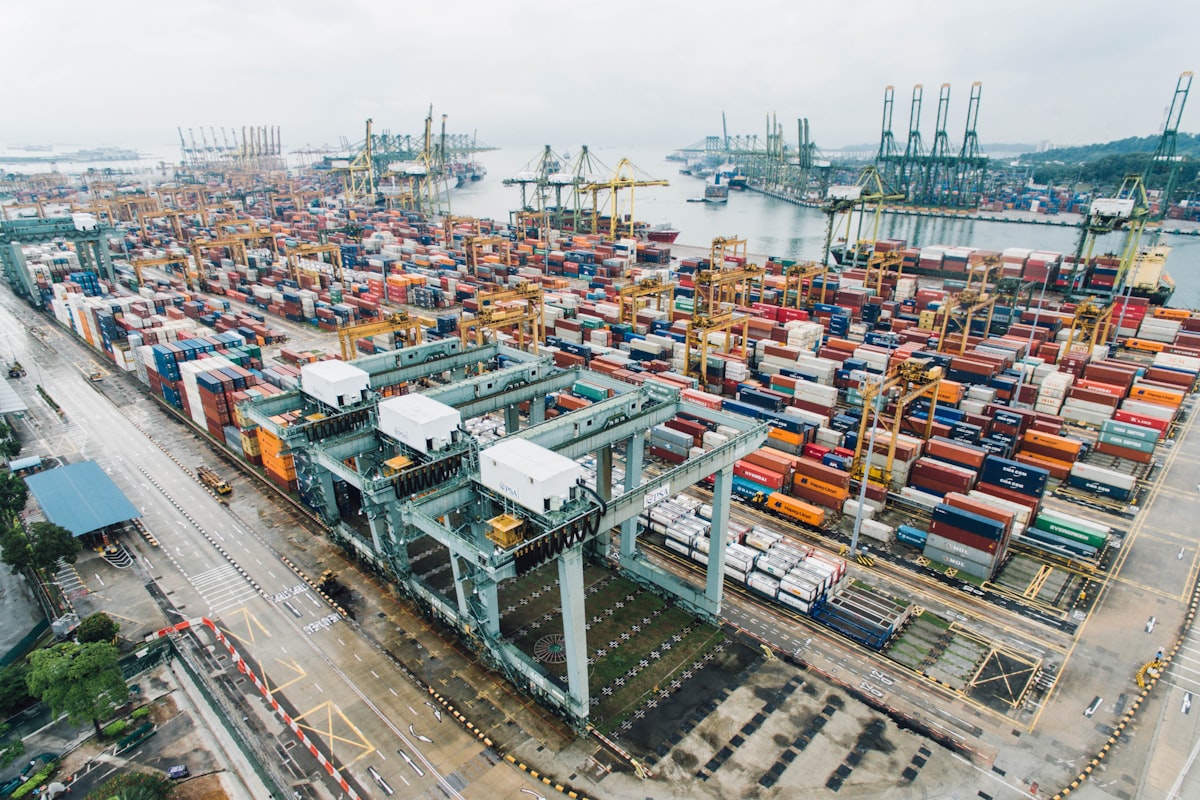
5 Questions to Ask Before Hiring a Customs Broker
A customs broker is a licensed professional who handles clearance of imported goods through customs. They prepare documentation, calculate duties and taxes, ensure HS code accuracy, and communicate with customs authorities. The US has 14,000+ licensed brokers, the EU has 30,000+ customs representatives. Broker fees typically range from $50-200 per entry.
Most countries require a licensed broker for commercial shipments above the de minimis threshold. In China, all import entries require a licensed broker.
Do You Actually Need One?
| Scenario | Broker Needed? | Alternative |
|---|---|---|
| Personal shipment under de minimis ($800) | No | Carrier handles (DHL/FedEx) |
| Ecommerce shipment under $800 | No | Express courier automated clearance |
| First FBA shipment to US | Recommended | Freight forwarder broker service |
| Regular commercial import (>$2,500) | Required | Self-file with ABI software |
| Food, drugs, medical devices | Mandatory | Licensed FDA clearance broker |
| Importing into China | Always | Local Chinese broker necessary |
What I Look For in a Broker
- Check license: US brokers need CBP license. EU brokers need EORI number and local registration.
- Check specialization: some specialize in electronics, apparel, or food. Some focus on China imports.
- Compare fees: entry filing $50-100, single bond ~1.5% value, continuous bond $400-600/year, exam fees $100-200 for inspections.
- Ask about software: do they offer portal for tracking entries? Integration with shipping systems?
- Check insurance: errors and omissions coverage protects you if they misclassify duties.
What Happens After You Hire One
Step 1: Pre-arrival filing - broker files entry 5-7 days before cargo arrives. Step 2: Document verification - customs reviews commercial invoice, packing list, bill of lading, and certificate of origin. Step 3: Duty assessment - customs determines applicable duties, taxes, AD/CVD fees. Step 4: Cargo release - typically 1-2 business days for routine entries. Step 5: Post-entry - broker files corrections or duty drawback claims if needed.
Around 5-10% of entries are selected for physical inspection, causing 3-7 day delays and $100-300 exam fees.
Factor Broker Fees Into Your Calculator
The calculator includes customs broker/clearance fees in total landed cost. Default estimate: $75-150 per entry. For the US: $100 base brokerage + $75 bond (if no continuous bond). Enter your specific broker fee in the Custom Broker Fee field to customize.

Frequently Asked Questions
How much does a customs broker cost?
Entry filing $50-100. Single bond ~1.5% shipment value. Continuous bond $400-600/year. Exam fees $100-300. Total: ~$100-250 for routine entry.
Can I clear customs myself?
Under de minimis, yes - express couriers handle it. For commercial shipments, most countries require a licensed broker.
Do I need a different broker for each country?
Most are licensed locally. Large forwarders have broker affiliates in multiple countries for one-stop clearance.
Written by Ace Wang
Founder & Import Operations Specialist | 20 years in cross-border ecommerce
Ace Wang has spent two decades managing import supply chains for small and medium businesses across China, Southeast Asia, and beyond. Everything on LandedCostHub comes from real shipping lanes, real customs paperwork, and real P&L statements — not theory. More about Ace →
China → United States Import Cost
Calculate landed cost for importing from China. View shipping rates, duty rates, and total landed cost estimates.
View route details →Calcola il Tuo Costo Finale
Usa il nostro calcolatore gratuito per stimare i costi totali di importazione, inclusi dazi, spedizione e tasse.
common.start_calculatingGuide Correlate
How to Calculate Landed Cost: The Complete Guide for Importers
Learn how to calculate total landed cost for any imported product. Step-by-step formula with shipping, duty, VAT, and hidden costs explained.
common.read_more →HS Code Lookup Guide: Find the Right Tariff Code for Your Product
Complete guide to finding and using HS codes for import duty calculation. Understand HS code structure, common mistakes, and how to use them.
common.read_more →CIF vs FOB Shipping: What's the Difference and Which is Better?
Compare CIF and FOB Incoterms for international shipping. Understand costs, risks, and responsibilities for each shipping term.
common.read_more →Popular Routes
Calculate import costs from this country.