Importing from Turkey to Nigeria: Complete Guide for Importers
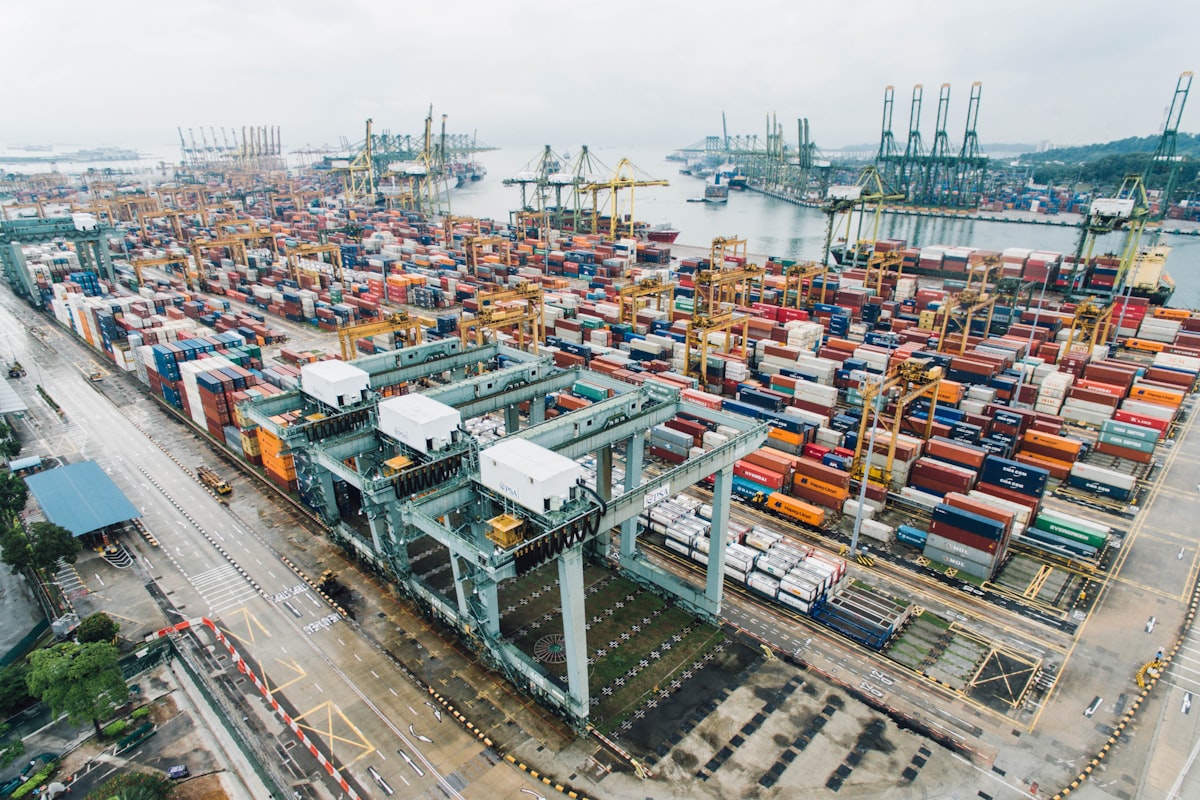
Turkey-Nigeria Trade: A Growing Corridor
Turkey has become one of Nigeria's largest trading partners, with bilateral trade reaching $3.5 billion in 2024. For Nigerian importers, Turkey offers a middle ground — better quality than China, lower prices than Europe, and much faster shipping than either. Key Turkish exports to Nigeria include steel, machinery, furniture, textiles, and food products.
I connected with a Nigerian importer in Lagos who brings in furniture and home goods from Istanbul. He switched from China to Turkey in 2023 and told me the biggest difference was shipping time — 12-14 days from Istanbul to Lagos vs 35-45 days from Shanghai to Lagos. That alone let him turn inventory 3x faster. But he also mentioned Nigerian customs is stricter on Turkish goods than Chinese in some categories. Steel imports from Turkey face more anti-dumping scrutiny because Turkey is a major steel producer. His furniture shipments go through fine, but a friend importing Turkish steel rebars got hit with a 15% levy. It's a lesson in knowing your specific product's treatment at Nigerian customs.
Turkish Export Hubs and Shipping to Nigeria
Turkey's main ports for exports to Africa are Istanbul (Ambarli and Haydarpasa), Izmir, Mersin, and Iskenderun. The main Nigerian entry ports are Apapa (Lagos) and Tin Can Island (Lagos), plus Onne and Port Harcourt in the east.
Shipping rates have been relatively stable on the Turkey-Nigeria route compared to China-Nigeria, which has seen wild fluctuations. I think the shorter distance helps — fewer fuel surcharge adjustments. The Apapa port congestion is the real issue. Ships can wait 7-14 days at anchorage before berthing. Smart shippers plan for this and add it to their timeline. Some forwarders now route through Cotonou (Benin) and truck across the border, which bypasses the port congestion but adds its own customs complications at the Seme border. The importers I know who use the Cotonou route save about $500-800 per container but deal with 2-3 extra days of border bureaucracy.
| Turkish Port | Nigerian Port | Transit Time | 20ft Container Cost | 40ft Container Cost |
|---|---|---|---|---|
| Istanbul (Ambarli) | Apapa, Lagos | 12-14 days | $1,800-2,500 | $2,800-3,800 |
| Izmir | Tin Can Island, Lagos | 13-16 days | $1,900-2,600 | $3,000-4,000 |
| Mersin | Apapa, Lagos | 14-17 days | $1,700-2,400 | $2,700-3,700 |
| Istanbul | Onne, Port Harcourt | 14-18 days | $2,000-2,800 | $3,200-4,200 |
Nigeria Import Duties on Turkish Goods
Nigeria applies ECOWAS Common External Tariff (CET) rates, with additional levies on certain goods. Turkey doesn't have a free trade agreement with Nigeria, so standard rates apply.
The surcharges add up. There's a 7% 'CET levy' on top of the base duty rate, plus 1% for the Nigeria Customs Service inspection fee. Most importers I know also factor in port terminal handling ($200-500) and the cost of engaging a licensed customs agent (₦150,000-300,000 per clearance). The total cost of clearance in Nigeria is higher than most African countries. That's why some importers use the 'Form M' process carefully — Nigeria requires a Form M for all imports, which is submitted before shipment. If your Form M isn't approved before the goods arrive, you'll pay demurrage and storage while waiting. I've seen it take 2-6 weeks to get Form M approved for first-time importers. Plan ahead.
| Product Category | Import Duty Rate | Additional Levies | Total Estimated Tax Burden |
|---|---|---|---|
| Furniture | 10-20% | 7% surcharge | 17-27% |
| Steel and metal products | 5-15% | Anti-dumping review possible | 15-30% |
| Textiles and fabrics | 15-30% | 7% surcharge | 22-37% |
| Machinery and equipment | 0-10% | 5% surcharge | 5-15% |
| Food products | 5-25% | NAFDAC registration ~₦500,000 | 12-35% |
| Electronics | 5-10% | SONCAP certificate needed | 10-20% |
| Cosmetics and soaps | 10-20% | NAFDAC registration ~₦300,000 | 15-25% |
Practical Tips for Importing from Turkey to Nigeria
After talking with several active importers on this route, here are the tips that come up most often.
- Start Form M at least 3 weeks before shipment — processing delays are common for new importers
- Use a clearing agent in Lagos who knows the Turkey route — different paperwork than China imports
- Get SONCAP certification for electronics before shipment — it's required at origin
- Budget for Apapa port congestion — add 7-14 days of demurrage cost to your landed cost calculation
- Consider the Cotonou bypass route if speed matters more than paperwork simplicity
- Verify product quality in person if possible — Istanbuls' Grand Bazaar suppliers differ from factory suppliers
- Negotiate in Turkish Lira or USD — Naira volatility makes currency planning essential
- Register for NAFDAC early if importing food, cosmetics, or health products (6+ months processing)

Frequently Asked Questions
How much does it cost to ship a container from Turkey to Nigeria?
A 20ft container from Istanbul to Lagos costs $1,800-2,500, and a 40ft container costs $2,800-3,800. Mersin port is slightly cheaper. Transit time is 12-17 days depending on the specific ports.
What are the import duties from Turkey to Nigeria?
Import duties on Turkish goods range from 0-30% depending on the product category, plus CET surcharges that add 5-7%. Furniture faces 10-20%, machinery 0-10%, textiles 15-30%. SONCAP and NAFDAC certification adds more costs for regulated products.
How long does shipping from Turkey to Nigeria take?
Sea freight from Turkish ports to Lagos takes 12-17 days. However, Apapa port congestion can add 7-14 days of waiting time at anchorage. Plan for 3-4 weeks total from port departure to cargo release from the terminal.
What is Form M and why is it important?
Form M is a mandatory document for all imports into Nigeria, submitted through the Nigeria Customs Service portal before shipment. Without an approved Form M, your goods cannot be cleared at the port. Processing takes 1-6 weeks for new importers.
Is it better to import from Turkey or China to Nigeria?
Turkey has advantages: 12-17 day shipping vs 35-45 days from China, closer cultural ties, and competitive pricing on furniture and steel. China wins on electronics pricing and wider product variety. Your choice depends on product type and how fast you need inventory turnover.
Written by Ace Wang
Founder & Import Operations Specialist | 20 years in cross-border ecommerce
Ace Wang has spent two decades managing import supply chains for small and medium businesses across China, Southeast Asia, and beyond. Everything on LandedCostHub comes from real shipping lanes, real customs paperwork, and real P&L statements — not theory. More about Ace →
Turkey → United States Import Cost
Calculate landed cost for importing from Turkey. View shipping rates, duty rates, and total landed cost estimates.
View route details →Calcola il Tuo Costo Finale
Usa il nostro calcolatore gratuito per stimare i costi totali di importazione, inclusi dazi, spedizione e tasse.
common.start_calculatingGuide Correlate
guide.importing-from-south-korea.title
guide.importing-from-south-korea.desc
common.read_more →Importing from China 101: A Complete Guide for First-Time Importers
Everything you need to know about importing from China. Supplier sourcing, shipping, customs, and landed costs explained.
common.read_more →Importing from Vietnam: Complete Guide for Small Businesses
Learn how to import from Vietnam. Find suppliers, understand shipping routes, calculate landed costs, and navigate customs.
common.read_more →Popular Routes
Calculate import costs from this country.