Customs Clearance Costs: What Importers Actually Pay in 2025
What Is Customs Clearance and What Does It Cost?
Customs clearance is the process of getting your imported goods legally released by customs authorities. It involves submitting documentation, paying duties and taxes, and passing any required inspections. The cost of customs clearance varies wildly depending on the country, shipment value, and complexity.
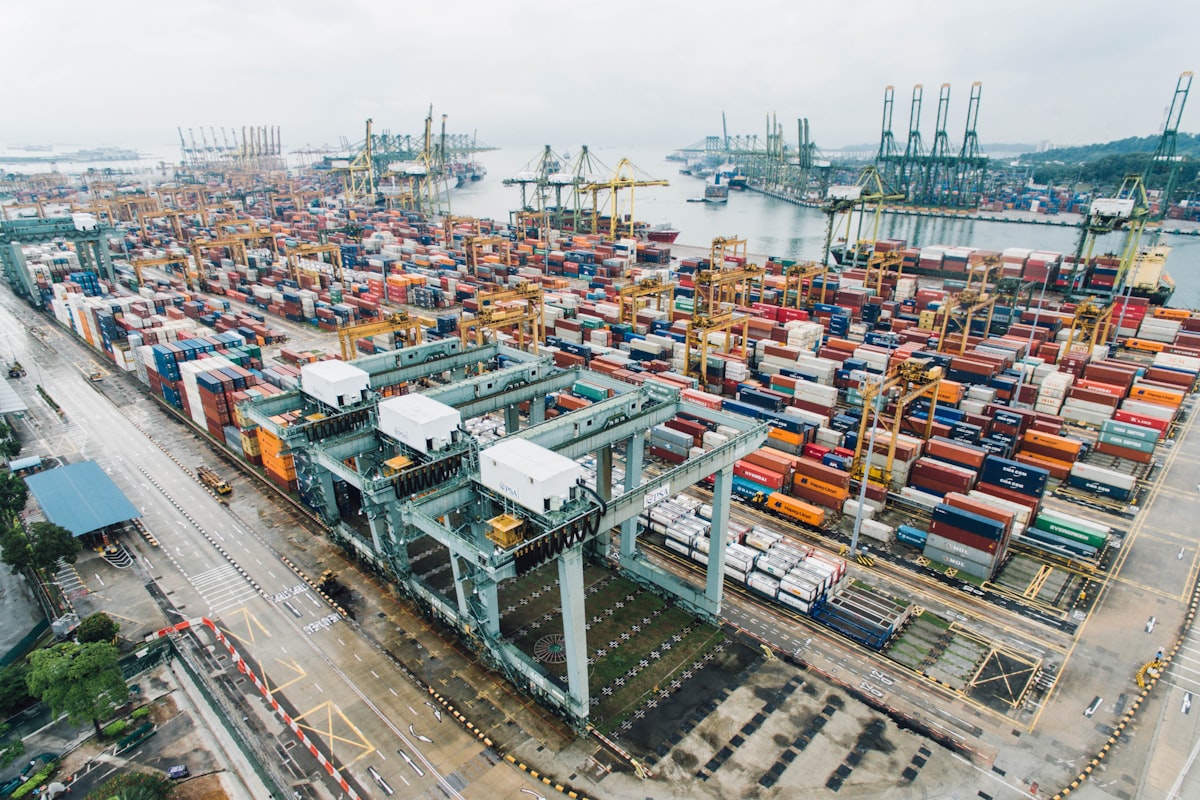
When I first started importing, I thought customs clearance was just a formality. My first shipment of ceramic mugs from China arrived at Long Beach, and I'd budgeted $200 for 'customs stuff.' The final bill was $685 — broker fee $145, ISF filing $35, single entry bond $185, exam fee $220, and $100 in miscellaneous admin charges. I learned that day that customs clearance isn't one cost, it's a pile of small charges that add up fast. By my 10th shipment, I'd negotiated the broker fee down to $95 and got a continuous bond for $450/year instead of paying $185 per entry. That alone saved me about $1,400 over 12 shipments. The key is understanding each cost and optimizing where you can.
Customs Clearance Cost Breakdown by Country
Here's what you can expect to pay for customs clearance in the major importing markets. These are real ranges I've paid or seen clients pay in 2024-2025.
These ranges depend heavily on the broker you use. Big national brokers like FedEx Trade Networks or DHL Customs charge premium fees but offer online tracking and dedicated account managers. Local mom-and-pop brokers charge less but you'll spend more time on the phone. I use a mid-sized regional broker for my regular shipments and keep a big broker on retainer for complex shipments involving FDA, USDA, or other agency clearances. One thing I've learned is that paying $50 more for a diligent broker is worth it — a misclassified HS code or missing document can cost you weeks of delays and hundreds in storage fees.
Landed Cost Breakdown
| Country | Broker Fee | Bond Required? | Exam Fee (if pulled) | Total Typical Range |
|---|---|---|---|---|
| United States | $75-200 | Yes ($185 single / $450 annual) | $150-350 | $250-700 |
| Canada | $50-150 CAD | Yes ($350-500 annual) | $100-200 CAD | $200-600 CAD |
| United Kingdom | £50-150 | No bond needed | £80-200 | £150-400 |
| EU (Germany) | €80-200 | No bond needed | €100-250 | €200-500 |
| Australia | AUD $80-200 | No bond for <$1000 AUD goods | AUD $150-300 | AUD $200-500 |
| India | ₹1,500-5,000 | No bond for standard imports | ₹3,000-10,000 | ₹5,000-20,000 |
| Nigeria | ₦50,000-200,000 | SONCAP required | Variable | ₦100,000-500,000 |
Hidden Costs in Customs Clearance
The broker's fee is the advertised cost. Here's what they don't tell you about until it shows up on the invoice.
Single entry bonds in the US cost $185 minimum — that's 0.5% of the shipment value, with a $185 floor. If you import more than 3-4 times a year, a continuous bond ($450-550/year) is cheaper. Then there's ISF (Importer Security Filing), which must be filed 24 hours before cargo loads on the vessel. The ISF filing fee is $25-50 per filing. If you miss the deadline, CBP fines start at $5,000. I missed an ISF deadline once because my freight forwarder didn't send me the booking confirmation in time. That $5,000 fine was a painful lesson. Now I have a calendar reminder to file ISF as soon as I get the booking confirmation, and I use a broker who offers ISF automation. Storage fees and demurrage are the other big hidden costs. If your cargo arrives at the port and customs hasn't cleared it yet, you get free time of 3-5 days, then $100-300/day after that. I always add a 2-day buffer of demurrage cost to my landed cost calculation because delays happen more often than I'd like.
How to Reduce Your Customs Clearance Costs
There are legitimate ways to lower what you pay for customs clearance. Here are the strategies that have worked best for me and my clients.
- Get a continuous bond instead of single-entry — saves $500-1000/year if you import 4+ times
- Negotiate your broker rate — most will drop 15-25% if you commit to 12+ shipments a year
- Use customs brokerage software like Descartes or Logitude — some brokers offer discounts for electronic submissions
- Join a customs broker association — some offer member rates with partner brokers
- Pre-clear shipments using ACE (Automated Commercial Environment) — reduces exam rates
- De minimis strategy: keep individual shipments under $800 (US) to avoid formal entry entirely
- Use a dedicated customs broker who knows your industry — reduces error rates and exam frequency
- Maintain proper records for 5 years — if CBP audits you, organized records save thousands in penalties
Frequently Asked Questions
How much does customs clearance cost in the USA?
Total customs clearance costs in the US typically range from $250-700 per shipment. This includes the broker fee ($75-200), ISF filing ($25-50), bond ($185 single or $450 annual), and potential exam fees ($150-350).
What is a customs bond and do I need one?
A customs bond is a financial guarantee that you'll pay any additional duties or penalties. Yes, for commercial imports into the US over $2,500 in value, you need either a single-entry bond (costs ~$185 per shipment) or a continuous bond ($450-550/year covering all shipments).
Can I do my own customs clearance?
Yes, you can self-clear customs in the US and some other countries, but it's usually not worth the hassle unless you're a licensed customs broker. The forms are complex, one mistake can trigger costly delays, and brokers only charge $75-200 to handle everything.
Why was my shipment selected for a customs exam?
Customs exams are random or targeted. About 2-5% of shipments get selected for exam. Common triggers include: first-time importer, sensitive product category (electronics, food, apparel), inconsistent declared value, or origin country flagged for IP protection.
What documents do I need for customs clearance?
You need: commercial invoice, packing list, bill of lading or air waybill, customs bond, ISF filing (for US imports), arrival notice, and any applicable permits or licenses (FDA, USDA, FCC, etc.). Having these ready before the shipment arrives speeds up clearance significantly.
Written by Ace Wang
Founder & Import Operations Specialist | 20 years in cross-border ecommerce
Ace Wang has spent two decades managing import supply chains for small and medium businesses across China, Southeast Asia, and beyond. Everything on LandedCostHub comes from real shipping lanes, real customs paperwork, and real P&L statements — not theory. More about Ace →
Bereken Uw Totale Kosten
Gebruik onze gratis calculator om uw totale importkosten te schatten, inclusief rechten, verzending en belastingen.
common.start_calculatingGerelateerde Gidsen
De Minimis Threshold Guide: Import Duty-Free Limits by Country
Complete guide to de minimis thresholds worldwide. Learn how to legally reduce landed costs by staying under duty-free limits.
common.read_more →Amazon FBA Import Costs: Complete Guide for Sellers
Calculate your total landed costs for Amazon FBA imports. Understand duty, shipping, storage, and FBA fee structures.
common.read_more →US Customs Duty Rates: Complete Guide for Importers
Comprehensive guide to US customs duty rates. Learn how duties are calculated, find your HTS code, and discover duty reduction strategies.
common.read_more →