Importing from Belgium in 2026: The EUR 4,700 Nobody Budgets For
Updated: 2026-08-31
Belgium Is Duty-Free (Mostly): The EU Free-Circulation Rule
Belgium sits inside the EU customs union, and that one fact settles most of the "import duty" question before it starts. Goods that are in free circulation anywhere in the EU -- produced in the EU, or imported into the EU with duty already paid -- move to the Netherlands without any customs duty at all. That is Article 30 of the Treaty on the Functioning of the European Union in practice: no tariffs, no border declarations, just a truck crossing a border that customs barely looks at. When someone asks me "what's the import duty from Belgium?", the honest answer is 0% for anything already in free circulation. The costs that actually bite are VAT, registration taxes, and the logistics you forgot to price.
I've priced imports from China, Japan, Turkey, and the US for clients since 2013, and Belgium is the only origin where I've never once written "duty" into a quote. But here's the thing: that is exactly why people under-budget it. They hear "no duty" and assume "no cost", then get hit by the taxes they never researched. A client of mine learned this the hard way with a 2018 BMW 520d from Brussels -- the car itself was EUR 24,500, and the extras after the handshake came to roughly EUR 4,700. I'll walk you through every line of that below.
Five Scenarios, One Matrix: What You'll Actually Pay
The no-duty rule has exceptions that look like loopholes but aren't. Run your situation through this matrix before you commit to anything:
| Scenario | Customs duty | VAT | Other taxes | My recommendation |
|---|---|---|---|---|
| Used car from a Belgian dealer (margin scheme) | EUR 0 -- EU free circulation | EUR 0-21% -- margin scheme usually applies to used cars | BPM + RDW + APK (see below) | Fine for most buyers; budget EUR 3,700-4,700 BPM on a 2018 diesel |
| New car from a Belgian dealer | EUR 0 | 21% Belgian VAT (or reverse charge for businesses) | BPM on first Dutch registration | Rarely cheaper than buying in NL -- run BPM before you sign |
| Consumer goods in free circulation (normal EU stock) | EUR 0 | 21% Dutch VAT on the purchase (B2B: reverse charge) | None | No import process at all -- treat it like domestic buying |
| Third-country goods in a Belgian bonded warehouse (Antwerp) | 0-25% by HS code and origin | 21% import VAT | Anti-dumping duties on some Chinese goods | This is a real import -- run the landed-cost calculator first |
| Classic car, 40+ years old | EUR 0 | EUR 0 under the margin scheme | BPM EUR 0, road tax EUR 0 (exempt) | The cheapest way to own something interesting -- do it |
Cars from Belgium: The EUR 4,700 Nobody Puts in the Ad
Belgian dealers advertise a car at EUR 24,500 and Dutch buyers nod, assuming that is the price. It isn't. Here's the teardown of the 520d my client bought, every line checked against the belastingdienst's published rules (rates as of August 2026 -- confirm the current BPM tables before you commit):
I'm not picking on BMW -- the same math applies to any used car. BPM is the big one, and it is CO2-based, not value-based the way people expect. Since 2013 the Dutch government has calculated BPM on emissions; since 2016, only zero-emission cars (full EVs and hydrogen) are exempt. The tax raised EUR 2.3 billion in 2018, and the rates have crept up since. Diesel cars pay a surcharge on top. So a cheap, old, thirsty diesel from Belgium can cost you more in BPM than you save on the sticker -- I've watched buyers walk away from the deal at the registration counter. Run the BPM estimate before you negotiate, not after.
| Cost line | Amount | Notes |
|---|---|---|
| Sticker price (2018 BMW 520d, Brussels dealer) | EUR 24,500 | Margin-scheme sale, no VAT line |
| Customs duty | EUR 0 | EU free circulation |
| VAT on purchase | EUR 0 | Margin scheme -- dealer pays VAT on his margin only |
| BPM (registration tax, CO2-based) | ~EUR 4,100 | Estimate for this model and year; diesel BPM runs high. Range EUR 3,700-4,700 by the belastingdienst depreciation table |
| RDW registration + number plates | ~EUR 250 | Kentekenbewijs, plates, service fees |
| APK (Dutch MOT) | ~EUR 70 | Valid APK required before registration |
| Transport, Brussels to Amsterdam | ~EUR 250 | Car transporter; driving it yourself leaves you on Belgian plates meanwhile |
| One-time total on top of sticker | ~EUR 4,670 | Roughly 19% above the advertised price |
Oldtimers: The 40-Year Rule That Makes Belgium Worth It
Here's the part I actually get excited about. Vehicles older than 40 years are exempt from BPM and from motorrijtuigenbelasting (road tax) in the Netherlands. A 1974 Porsche 914 bought in Antwerp for EUR 18,500 costs EUR 0 in BPM, EUR 0 in road tax, and the APK only has to happen every two years because the car is over 30. You can even apply for O-plates (oldtimer plates), which come with their own insurance class and, since July 2013, you can drive oldtimers day and night -- the old "only to events" restriction is gone.
A client of mine did exactly this in May. He'd been eyeing a 914 for years, found one at a dealer near Antwerp, and the entire import process cost him about EUR 500: EUR 250 for the transporter, EUR 70 for the APK, EUR 180 for RDW registration and plates. Compare that to the EUR 4,700 on the 520d and you see why the Dutch classic-car market is full of Belgian imports. The 40-year clock starts from the car's first registration date, not the model year -- a 1985 car became exempt in 2025, a 1986 car becomes exempt in 2026. If you're buying a borderline-year car, the registration date on the papers decides everything.
When Belgium Is Just a Transit Point (Antwerp Changes Everything)
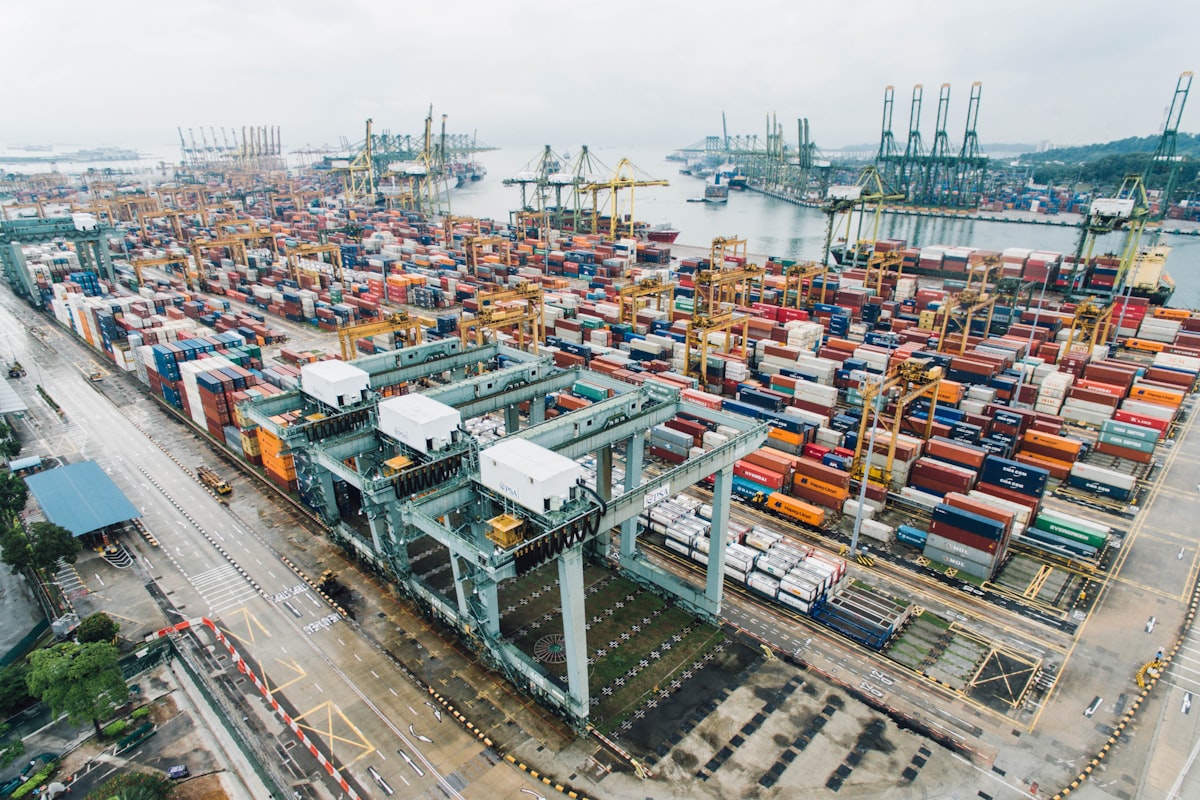
The duty-free story falls apart for one specific situation, and it's the one that catches e-commerce sellers. Antwerp is one of Europe's biggest ports, and a lot of Chinese, Japanese, and US goods sit there in bonded warehouses (douane-entrepot) -- imported into the EU but not yet in free circulation, duty unpaid. If you buy those goods "from Belgium", you are not buying Belgian goods. The moment they leave the warehouse, you owe the full import duty (0-25% depending on the HS code and origin, plus anti-dumping duties on some Chinese products) and 21% Dutch import VAT. A supplier in Antwerp telling you "no duty, it's EU" while the stock sits in a bonded warehouse is the most expensive sentence in the import business.
This is also where the EU's 2025 customs reform bites. The old EUR 150 de-minimis threshold is gone -- every commercial parcel, even a EUR 5 phone case, is subject to VAT at the destination country's rate, and small parcels now carry a flat EUR 3 customs handling duty. Couriers bill this to the recipient along with a EUR 12-25 clearance fee. If you order from Temu, AliExpress, or Shein and the package routes through Belgium, the platform's checkout shows its own import estimates -- what lands on your doorstep is the VAT plus the courier's fee, and that part isn't always visible at checkout.
B2B or B2C: The VAT Question Nobody Asks First
Whether you pay 21% VAT depends on who you are, not where the goods come from. A private person buying from a Belgian dealer pays Belgian VAT -- unless the dealer uses the margin scheme for used goods, in which case VAT is buried in his margin and you pay nothing extra. A business buying from a Belgian supplier doesn't pay Belgian VAT at all: the invoice says "VAT reverse charged" (verleggingsregeling) and you account for 21% Dutch VAT yourself on your next return. Same goods, same price, three different VAT outcomes -- which is why I ask every client "are you buying as a company or as yourself?" before I quote anything.
The margin scheme is the one that surprises Dutch car buyers the most, because it's invisible. A dealer buys a car for EUR 20,000, sells it for EUR 24,500, and charges VAT on the EUR 4,500 margin -- about EUR 780 -- which he keeps. You, the buyer, see no VAT line at all. That is legal, it's common, and it means "no VAT" on a Belgian used-car invoice is usually legitimate. It's also why you shouldn't assume the dealer is dodging tax when the invoice shows no VAT -- he almost certainly isn't.
The Import-from-Belgium Checklist
Print this out. I use this exact list for every Belgium import I handle, whether it's a car, a pallet of stock, or a single parcel:
- Confirm the goods are in free circulation -- ask for the invoice and, if the goods came from outside the EU, proof that duty was paid on entry (a customs document, not just a commercial invoice)
- For vehicles: get the Belgian registration papers (kentekenbewijs) and the Certificate of Conformity if it exists -- no COC means an RDW import inspection
- Run the belastingdienst BPM estimate with the car's exact CO2 figure before you negotiate the price
- Check the APK status -- an expired APK adds about EUR 70 and a week to your timeline
- Get a transport quote: EUR 150-400 for a car transporter from Belgium to most of the Netherlands; driving it yourself means staying on Belgian plates until registration
- Budget a 10-15% buffer above the sticker price for BPM, registration, APK, and transport
- For parcels: check whether the seller registered for IOSS; if not, expect the courier to bill you VAT plus EUR 12-25 clearance
My Take: Belgium Is the Best Import Origin You're Ignoring
After more than a decade of pricing imports, here's my honest opinion: for Dutch buyers, Belgium is the easiest origin there is -- no duty, no ocean freight, no 30-day transit times, and a 40-year-old exemption that makes classic cars genuinely cheap to own. But the "it's just next door" mindset is exactly what costs people money. The two numbers that matter are BPM and VAT, and neither is on the dealer's sticker. If you run those two numbers before you negotiate, importing from Belgium is almost always a win. If you don't, you're the buyer the dealer calls first when a deal falls through.
One more thing: don't let a seller talk you into "no paperwork needed" because it's the EU. Belgium-to-Netherlands is the easiest border in Europe, but "easy" isn't "automatic". Keep the invoice, keep the proof of free circulation, and for cars, keep the registration papers until the RDW has the car in your name. I've seen one buyer lose a week at the RDW counter because the Belgian seller "forgot" the kentekenbewijs -- and the seller had already spent the money.
Frequently Asked Questions
Do I pay customs duty when importing from Belgium to the Netherlands?
No, not for goods in free circulation -- Belgium and the Netherlands are both in the EU customs union, so no customs duty applies between them. The exception is goods sitting in a Belgian bonded warehouse (duty not yet paid on entry to the EU): those pay the normal import duty plus VAT when they're released.
How much BPM do I pay on a used car from Belgium?
BPM is calculated on CO2 emissions and the car's current market value, not on what you paid. For a 2018 diesel like the BMW 520d in this article, budget roughly EUR 3,700-4,700. Full EVs and hydrogen cars have been exempt since 2016. Use the belastingdienst's BPM rate tables for the exact figure -- the calculation changes every January.
Do I pay 21% VAT on a car from a Belgian dealer?
Usually not directly. Most Belgian dealers sell used cars under the margin scheme, where VAT is charged on their margin and no VAT line appears on your invoice. A private seller charges no VAT at all. A new car from a dealer means 21% Belgian VAT, and a business buyer uses the reverse-charge (verleggingsregeling) instead.
What is the oldest car I can import tax-free?
Any vehicle more than 40 years old (counted from first registration) is exempt from BPM and road tax in the Netherlands. The APK is only required every two years once a car passes 30 years. A 1985 car became exempt in 2025; a 1986 car becomes exempt in 2026.
I ordered from Temu/AliExpress and the parcel routes via Belgium -- do I pay import costs?
If the parcel comes from outside the EU, yes: since the 2025 EU customs reform every commercial parcel is subject to VAT at the destination rate, small parcels carry a flat EUR 3 customs duty, and the courier usually adds a EUR 12-25 clearance fee. If the seller used IOSS, the VAT was already collected at checkout.
Written by Ace Wang
Founder & Import Operations Specialist | 20 years in cross-border ecommerce
Ace Wang has spent two decades managing import supply chains for small and medium businesses across China, Southeast Asia, and beyond. Everything on LandedCostHub comes from real shipping lanes, real customs paperwork, and real P&L statements — not theory. More about Ace →
Calculate Your Total Landed Cost
Use our free calculator to estimate your total import costs including duties, shipping, and taxes.
Related Guides
De Minimis Threshold Guide: Import Duty-Free Limits by Country
Complete guide to de minimis thresholds worldwide. Learn how to legally reduce landed costs by staying under duty-free limits.
Read More →Amazon FBA Import Costs: Complete Guide for Sellers
Calculate your total landed costs for Amazon FBA imports. Understand duty, shipping, storage, and FBA fee structures.
Read More →US Customs Duty Rates: Complete Guide for Importers
Comprehensive guide to US customs duty rates. Learn how duties are calculated, find your HTS code, and discover duty reduction strategies.
Read More →