Importare da Thailandia
Guide, rotte e costi di importazione per le spedizioni da Thailandia verso il mondo.
Perché importare da Thailandia?
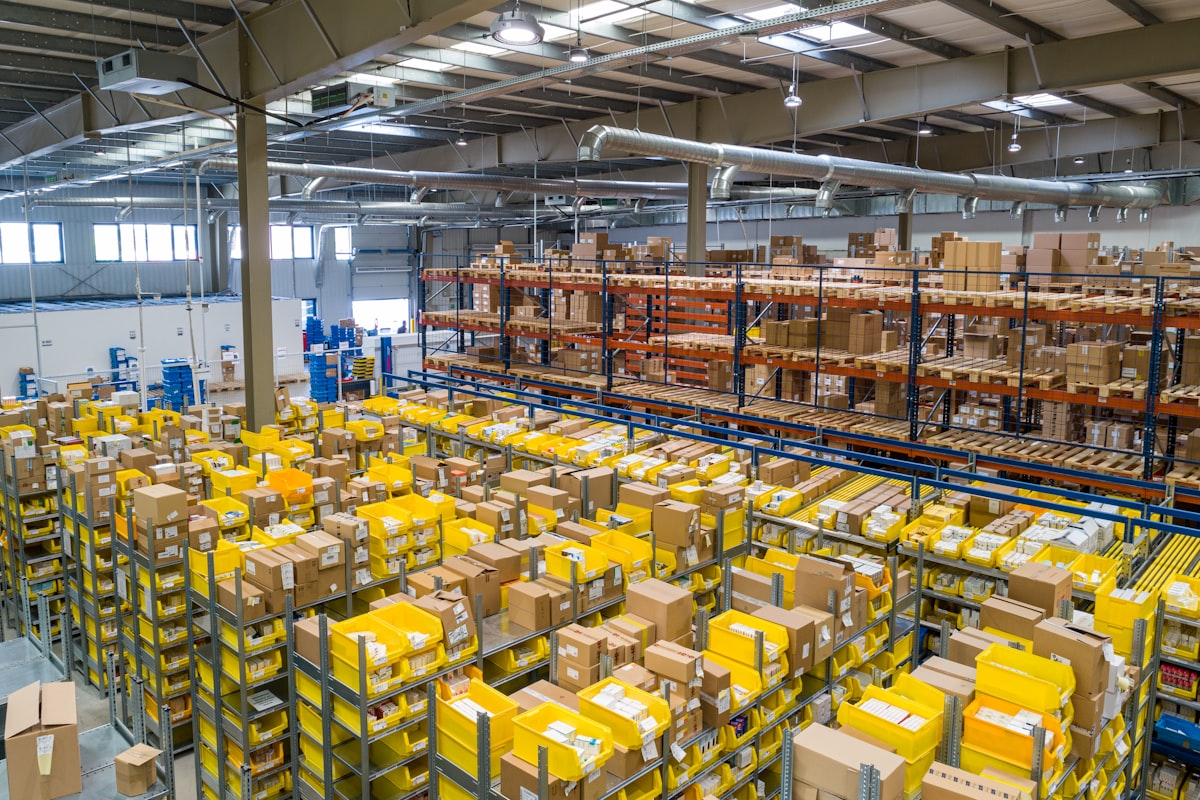
La Thailandia è la seconda economia del Sud-est asiatico e un polo manifatturiero consolidato, con particolare forza nell'automotive (la 'Detroit dell'Asia'), nell'elettronica, nella trasformazione alimentare e nella chimica. Il paese ospita i principali stabilimenti di assemblaggio di Toyota, Honda e Ford, il che lo rende una location privilegiata per l'approvvigionamento di componenti auto. Bangkok e il Corridoio Economico Orientale (EEC) – che copre Chonburi, Rayong e Chachoengsao – sono le principali zone industriali, con Laem Chabang tra i primi 20 porti container del mondo. L'industria thailandese di trasformazione alimentare è di livello mondiale, il che rende il paese un'ottima fonte per conserve di pesce, riso, tapioca e frutta trasformata. Gli importatori beneficiano dell'infrastruttura stradale e portuale ben sviluppata della Thailandia, di un contesto normativo relativamente favorevole alle imprese e di solide catene di approvvigionamento nei settori target. Il paese ha inoltre accordi di libero scambio con Cina, Giappone, Australia e Nuova Zelanda che possono ridurre i costi di importazione.
Vantaggi Principali
- ✓Hub manifatturiero automobilistico del Sud-est asiatico con profonde catene di approvvigionamento per parti e componenti
- ✓Industria di trasformazione alimentare di livello mondiale ed esportazioni agricole (riso, prodotti ittici, frutta)
- ✓Infrastrutture eccellenti, tra cui porti moderni, autostrade e zone industriali nell'EEC
- ✓Posizione strategica nel cuore dell'ASEAN con accesso agli accordi di libero scambio regionali
💡 Consiglio dell'Importatore
Gli importatori che si riforniscono dalla Thailandia dovrebbero esplorare i settori promossi dal Board of Investment (BOI), che offrono incentivi fiscali per alcune categorie di prodotti. Il sistema elettronico di sportello unico doganale della Thailandia riduce notevolmente i tempi di sdoganamento per le spedizioni con documentazione corretta. Per i prodotti alimentari, assicuratevi che il fornitore abbia le certificazioni GMP, HACCP e HALAL appropriate per il vostro mercato di destinazione.
Guide all'Importazione (1)
Rotte di Importazione da Thailandia (32)
Thailand → United States
Visualizza i costi di importazione
Thailand → Germany
Visualizza i costi di importazione
Thailand → United Kingdom
Visualizza i costi di importazione
Thailand → France
Visualizza i costi di importazione
Thailand → Netherlands
Visualizza i costi di importazione
Thailand → Canada
Visualizza i costi di importazione
Thailand → Australia
Visualizza i costi di importazione
Thailand → Brazil
Visualizza i costi di importazione
Calcola il tuo costo di importazione
Ottieni il dettaglio completo — dazi, spedizione, assicurazione e tasse — in pochi secondi.
Inizia a Calcolare →